Inside the Kawasaki Tech Center: A 19,000 SF Warehouse Renovation in Grand Rapids, MI
When Kawasaki needed to expand its footprint in West Michigan, the company chose a different path from the standard ground-up build. The team partnered with FCC Construction to convert an existing warehouse in Grand Rapids, MI into a modern tech center built for innovation, manufacturing, and team collaboration. The result is a 19,000 square foot facility that proves a thoughtful warehouse renovation can deliver every advantage of new construction with faster timelines and a lighter environmental footprint.
This case study walks through how FCC Construction approached the Kawasaki Tech Center adaptive reuse project, the technical challenges the team solved on site, and what makes this build a strong example of design-build industrial construction in Grand Rapids.
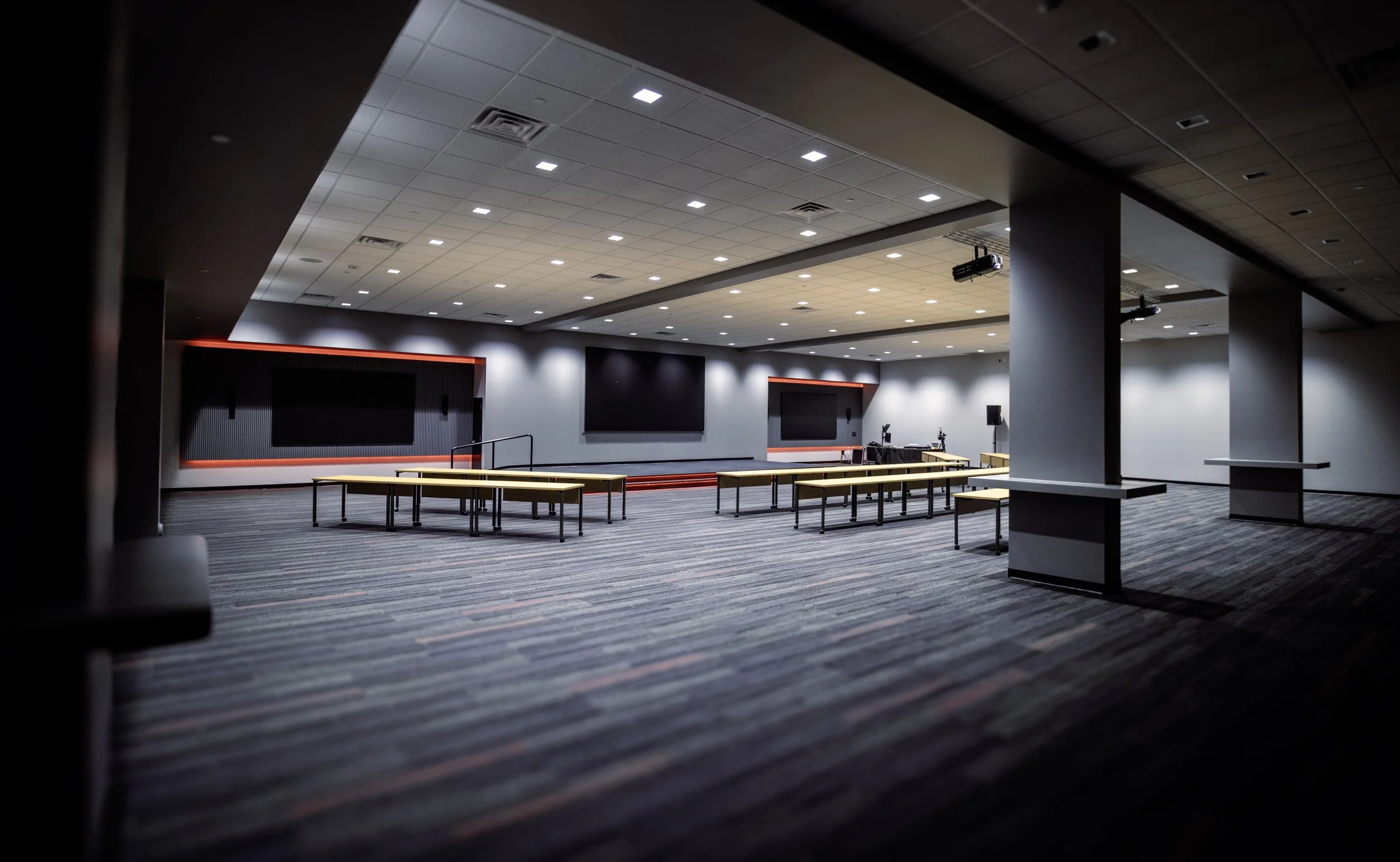
Photo credit: FCC Construction
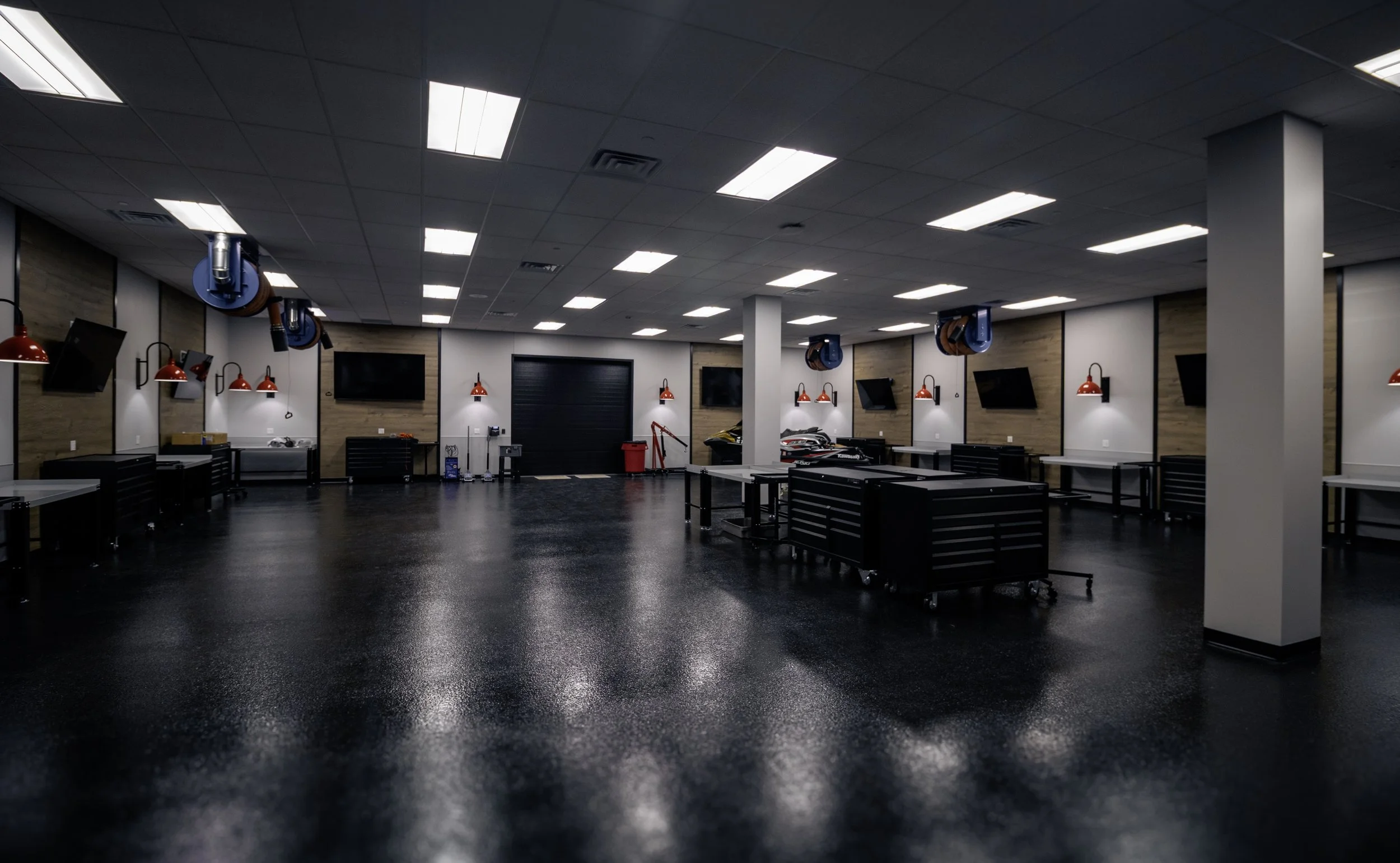
Photo credit: FCC Construction
The Challenge: Turning a Warehouse Into a Precision Tech Facility
Adaptive reuse projects look efficient on paper. The shell exists. The footprint is set. The path to occupancy looks short.
The reality is more complex. Existing structures rarely meet the tolerances a modern tech facility requires, and every concealed condition becomes a discovery during demolition. The Kawasaki Tech Center project carried three layers of complexity from day one.
The first was the existing slab. A tech environment needs a precise, level floor to support sensitive equipment and a clean finished interior. The warehouse slab did not meet those tolerances.
The second was schedule sensitivity. Kawasaki had operational goals tied to the new facility, and any delay would push back the team's ability to use the space.
The third was material procurement. The project ran through a period of supply chain volatility that affected lead times across the construction industry. Long-lead items had to be tracked, expedited, and protected against schedule risk.
The FCC Approach: Laser Scanning, Daily Coordination, and Subcontractor Strength
FCC Construction built the project plan around three principles: measure precisely, communicate constantly, and protect the schedule.
-
The team used laser scanning technology to map the existing concrete slab and identify exactly where the floor fell out of tolerance. That data drove a regrading and leveling plan that delivered the precise finish the tech center required. Laser scanning replaced guesswork with measurable accuracy and shortened the path from demolition to a usable surface.
This kind of technology-led approach is becoming standard practice for industrial renovations across West Michigan, where older warehouse stock offers strong potential for adaptive reuse if a contractor can solve the as-built variance problem.
-
Throughout construction, FCC maintained close communication with Kawasaki ownership. Schedule updates, scope discussions, and procurement issues were surfaced early so the owner stayed in control of decisions that affected operations and budget. Clear communication kept disruption to a minimum and built the trust that complex renovations require.
-
A 19,000 SF interior renovation runs through dozens of trades. FCC leaned on long-standing subcontractor relationships and daily onsite coordination to keep work sequenced correctly. When one trade fell behind, another flexed. When a long-lead material slipped, the team rerouted the schedule to keep critical-path work moving.
-
FCC tracked material orders from the day they were placed. When supply chain issues surfaced, the project team worked with vendors to find alternate sources, expedite shipping, or sequence installations around partial deliveries. The procurement strategy protected the schedule before delays could compound.
The Result: 10% Scope Increase Absorbed Without a Schedule Hit
Construction projects almost always change as they progress. Existing-building renovations carry even more change risk because hidden conditions surface during demolition.
On the Kawasaki Tech Center, the scope grew by 10% during construction. FCC absorbed that increase without extending the schedule. Substantial completion landed on time and within budget.
For an adaptive reuse project of this scale, that outcome is the mark of disciplined planning, strong field leadership, and a contractor that solves problems instead of escalating them.
Why This Project Matters for West Michigan Industrial Construction
The Kawasaki Tech Center sits in a category that is growing across West Michigan: adaptive reuse of existing industrial buildings. Manufacturing, technology, and R&D companies are looking at warehouse stock as a faster, lower-cost path to expansion. Renovation can compress the schedule, reduce site work, and reuse infrastructure that a ground-up project would have to build from scratch.
Three things make a project like this work:
The right measurement tools. Laser scanning gives the contractor a clear picture of as-built conditions before crews start cutting concrete or framing walls.
A construction manager that owns procurement. Lead times decide schedules. A CM that tracks materials from order to installation prevents most schedule slips.
Daily field coordination. Renovations live or die on sequencing. A superintendent who runs the site every day keeps the trades aligned and the work moving.
FCC Construction brings those three capabilities to every industrial renovation in West Michigan, supported by decades of experience as a general contractor and full-service construction manager.
See the Full Kawasaki Tech Center Project
View project photos and details on the Kawasaki Tech Center project page.
To explore FCC's full portfolio of industrial renovations, manufacturing facilities, and design-build work across West Michigan, visit our project gallery or learn more about our construction management services.
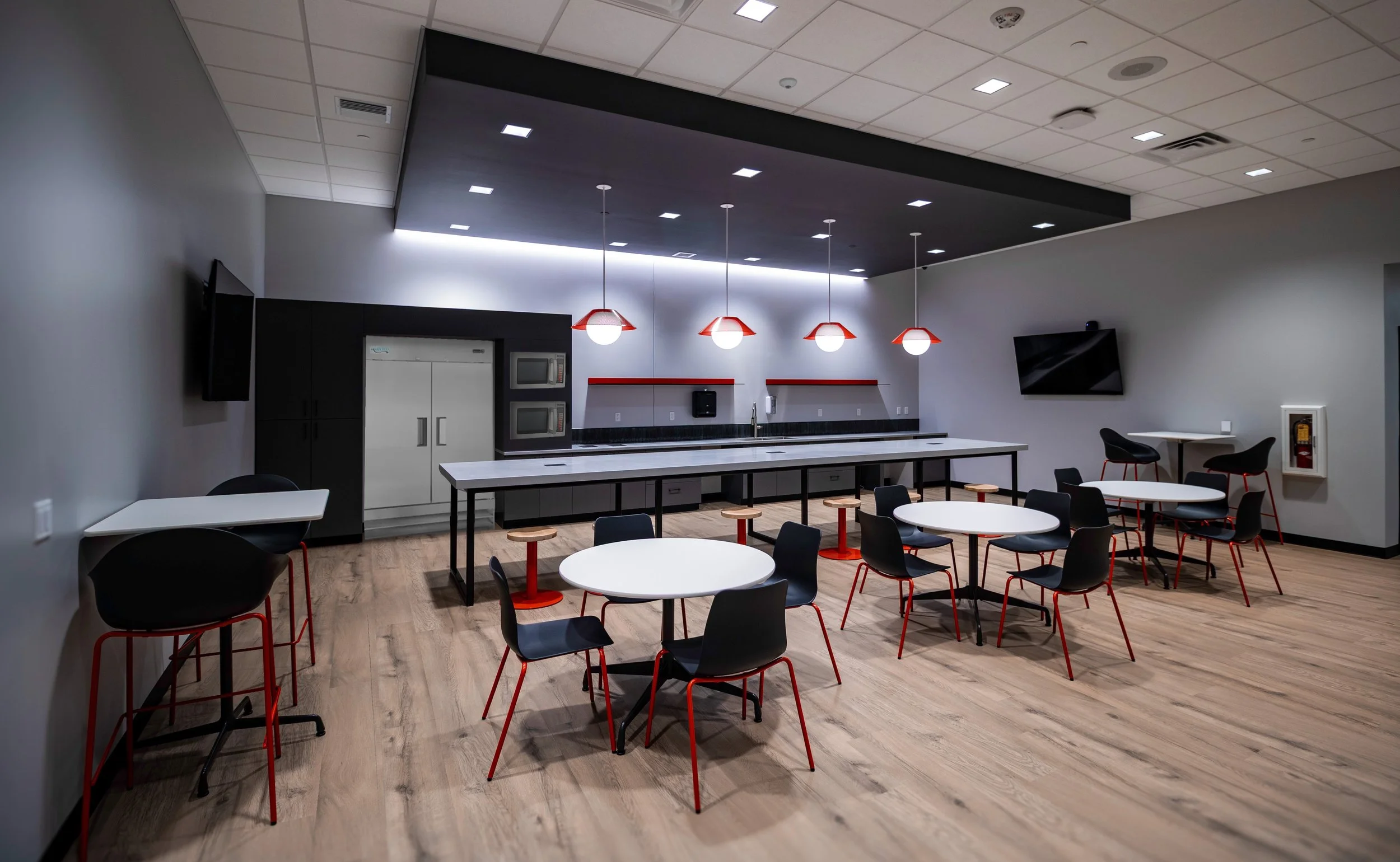
Photo credit: FCC Construction